


The Capital & Political Arms Race
The financial scale of the AI industry has reached new heights. Anthropic has successfully raised $30 billion in Series G funding, pushing its post-money valuation to a staggering $380 billion. The round was led by GIC and Coatue.
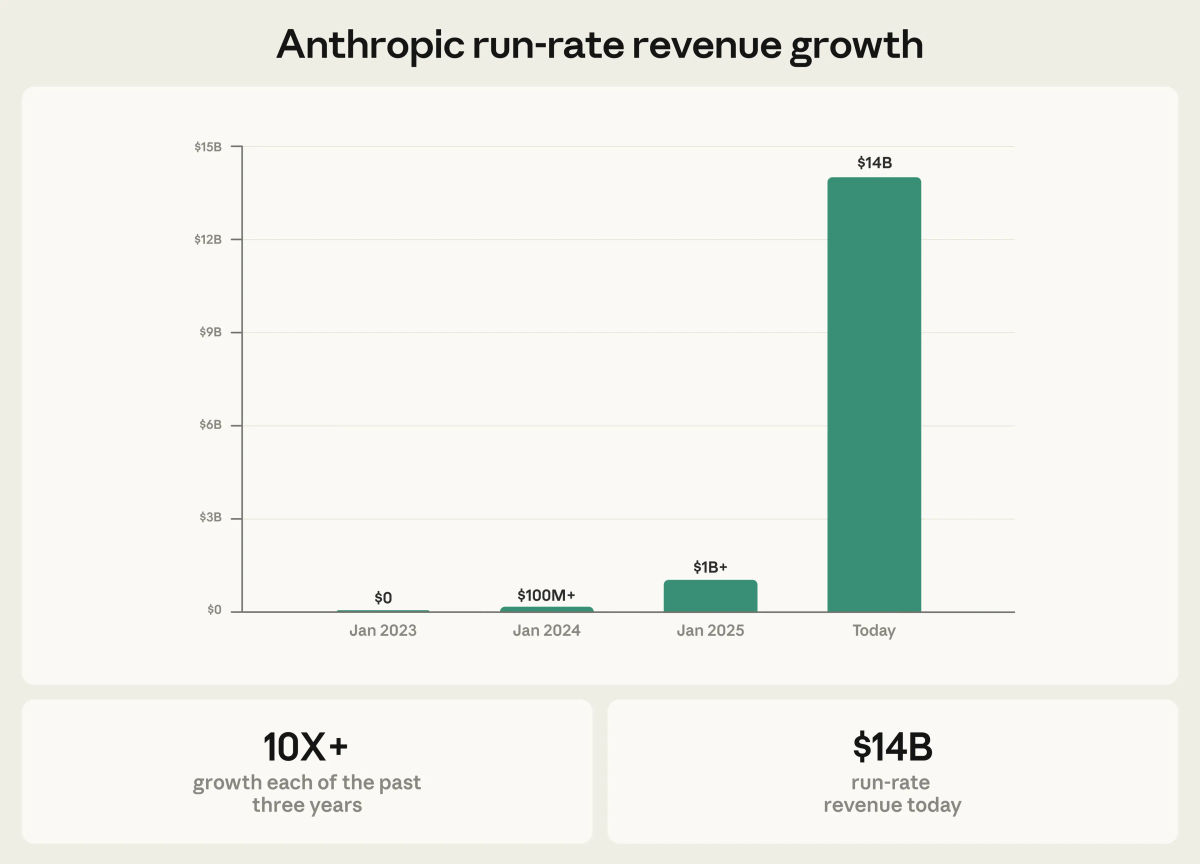
This capital is not just for compute; it is funding political influence. Reports indicate that AI companies have committed over $200 million to the 2026 midterms. Anthropic has contributed $20M to a Super PAC favoring regulation, while OpenAI co-founder Greg Brockman has directed $25M into a PAC advocating for a hands-off government approach. Stanford HAI suggests this may lead to new Sovereign AI alliances among mid-sized nations to protect their digital infrastructure.
The "Pokemon Benchmark" Challenge
While models ace PhD physics, they struggle with Pokemon Red. A new competitive benchmark on Twitch pits Gemini 3 Pro, GPT-5.2, and Claude Opus against the classic Game Boy RPG. The game requires long-horizon planning and resource management that standardized tests miss.
This benchmark tests AI models' ability to handle complex, open-ended tasks that require strategic thinking, memory, and adaptation, much like a human playing a video game. Unlike structured academic tests, Pokemon demands continuous learning and decision-making over extended periods, revealing how well AI can navigate real-world-like challenges.
-
Gemini 3 Pro: Finished Pokemon Blue in ~406 hours.
-
Claude Opus: Still struggling through Pokemon Red with 500+ hours logged.
Future Outlook: Superintelligence or Winter?
The industry remains divided on the timeline for AGI. Nick Bostrom has released a paper arguing that the optimal timing for superintelligence is "as soon as possible," comparing delays to refusing life-saving surgery. Conversely, the founders of You.com predict an AI Winter in 2026, suggesting a potential pullback in capital.
Labor & Infrastructure Trends
-
Cost Crashes: Inference providers like Baseten are cutting costs by 10x using open-source models on NVIDIA Blackwell GPUs.
-
Bottleneck Shift: As AI generates "passable" work instantly, the bottleneck is shifting from production to evaluation - verifying the output requires true expertise.
-
Automation: Microsoft's Mustafa Suleyman predicts white-collar work could be fully automated within 18 months.


