A New Prompting Pattern: Plan, Review, Execute
A key challenge in AI prompt engineering is managing how a model improvises or deviates from the intended goal. Instead of trying to fix problems after generation, the 'plan/spec mode' pattern constrains the AI upfront. This forces the model to work in phases, giving you a crucial checkpoint before it commits to a full response.
This method allows you to define boundaries and review the AI's proposed approach, ensuring it aligns with your goals before execution. While some specialized tools have this built-in, you can replicate it in models like ChatGPT, Claude, or Gemini with a structured prompt.
"Before starting [task], work in phases:

1. Ask clarifying questions about [request/context]
2. Propose your approach for [how to do it]
3. Review your initial plan to ensure it aligns with [my goals]
4. Based on your review, write a final plan showing: [what you'll do], [steps], [potential risks]

Keep it scannable but detailed. Wait for my approval before executing."
Prompt Template: Find High-Value Services with AI
This prompt transforms ChatGPT into a senior AI monetization consultant, designed for users who want to quickly identify and sell B2B services. It's an excellent example of structured AI prompt engineering that guides the model through a logical process to deliver actionable, high-value output.
The prompt instructs the AI to first ask clarifying questions about the user's skills, then generate a detailed list of 10 specific, sellable services. For each service, it must outline the deliverable, target client, price range, and a step-by-step guide on how to use ChatGPT for delivery. Finally, it ranks the services by the fastest path to earning $1,000.
Prompt: Act as a senior AI monetization consultant who helps individuals generate income quickly using ChatGPT.

I have [X hours per week] available and want to earn money as fast as possible, not build a long-term startup.

Your task:
First ask me about my skills to clarify my unique strengths.
List 10 specific services I can sell using ChatGPT. These must be services that people already pay for today.

For each service, include:
Service name
What the service delivers (clear, concrete output)
Who buys it (job title, industry, company size)
Why it’s urgent (what pain makes them buy now)
Typical price range (one-off or monthly)
Time to deliver (hours per client)
Difficulty level (Beginner / Intermediate / Advanced)
How ChatGPT is used (step-by-step)
Why this is easy to sell (clear ROI or pain relief)

Then:
Rank all services by fastest path to first $1,000
Highlight the Top 3 fastest-money services

For each Top 3, include:
Who to DM or email first
A one-sentence sales pitch

Constraints
No vague ideas (e.g. “content creation” without specifics)
No audience-building or long-term plays
Focus on B2B, professionals, founders, or teams with budgets
Services must be sellable within 7–14 days

Output Format
Use a table for the 10 services and a short bullet summary for the Top 3 recommendations.
Image Prompt Deep Dive: Gemini Nano Banana AR Scene
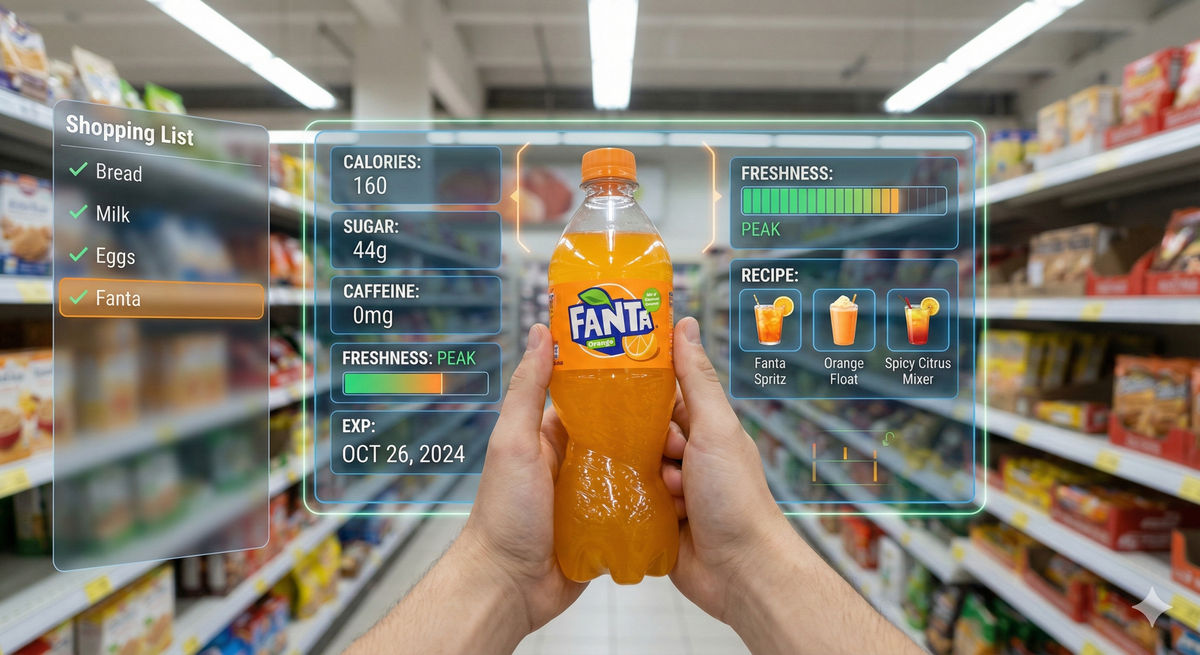
Crafting effective prompts for image generation requires a different approach, focusing on rich, descriptive detail. This prompt for Google's Gemini Nano Banana model is a masterclass in specifying perspective, lighting, subject, and style to create a complex, hyper-realistic mixed reality scene.
It meticulously details the first-person perspective, the specific product (Fanta), the holographic AR interface elements, and the desired aesthetic (clean futuristic design, realistic lighting, immersive feel). This level of detail is crucial for guiding the image model to produce a high-quality, specific result that matches the creator's vision.
Gemini Nano Banana Prompt:
First-person perspective inside a brightly lit supermarket aisle. Realistic human hands are holding a bottle of Fanta soda close to the camera. The vivid orange drink in its iconic branded bottle is surrounded by a multi-layered holographic augmented reality interface displaying nutritional data, including calorie count, sugar content, caffeine level, freshness indicator, expiration date, and recommended refreshing recipes and cocktails based on Fanta.
The UI elements smoothly shift and reorganize based on the viewer’s gaze direction, as if dynamically responding to user focus. In the left peripheral vision, a vertical semi-transparent shopping list is visible with checked-off items, where Fanta is highlighted as the currently active selection.
Hyper-realistic mixed reality, clean futuristic AR design, glass-like UI panels, soft ambient glow, realistic lighting and shadows, natural depth of field, immersive first-person interface, showcasing next-generation retail technology.