


High-Level Coaching and Strategy Prompts
One of the most powerful practical AI prompt templates to emerge recently focuses on holistic self-improvement. The Personal Life Audit prompt transforms your chatbot into a world-class life strategist and behavioral psychologist. By feeding the model specific challenges, it acts as a diagnostic tool to identify blind spots and generate a personalized 90-day transformation plan.


To use this effectively, copy the following template and replace the bracketed information with your own details:
Act as a world-class life strategist, behavioral psychologist, and performance coach who specializes in identifying high-leverage changes that create disproportionate results. My current age is [AGE], and my current role or life situation is [ROLE OR SITUATION]. Right now, my biggest frustrations and challenges are: [LIST 3-5]. Start by guiding me through a structured, step-by-step diagnostic by asking thoughtful, specific questions across the following areas: physical health, mental clarity, career trajectory, financial stability, relationships, mindset, and daily habits.

Once I've answered, deeply analyze my responses to identify patterns, bottlenecks, and blind spots. Prioritize the top 3 highest-leverage areas where focused effort will create the greatest overall improvement. Then design a highly practical and personalized 90-day transformation plan.
Advanced Visual Generation Templates
For creative professionals, mastering visual prompting logic is essential. When working with high-fidelity models, structured phase-based prompting yields the most realistic results. This specific template is designed for generating a 3D glass logo, utilizing strict parameters for material properties and environmental lighting.


[BRAND NAME]. Act as a High-End Product Photographer and CGI Artist.

PHASE 1: SUBJECT & LOGIC
Generate a massive, perfectly centered, three-dimensional physical sculpture of the official corporate logo for [BRAND NAME]. The sculpture must strictly adhere to precise logo geometry and proportions. It is suspended in mid-air. Render it as a single flawless glass object.

PHASE 2: MATERIALITY (GLASS)
The entire logo is made of hyper-realistic, optical-grade crystal glass. It must look heavy and monolithic. The glass structure contains subtle, photorealistic microscopic flaws: fine polished scratches and minor internal inclusions to avoid "CGI plastic."

PHASE 3: ENVIRONMENT & CAUSTICS
The logo is suspended against a strictly clean, bright blue sky with sparse white cumulus clouds. NO land, NO trees. The focus is entirely on the glass logo. Render complex glass caustics: intense, sharp patterns of focused light cast inside and onto the surface.

TECH SPECS
Rendered with Arnold or Octane. Phase One XF, 120mm Macro lens. Aperture f/5.6. Intense direct sunlight. Fine grain film emulation.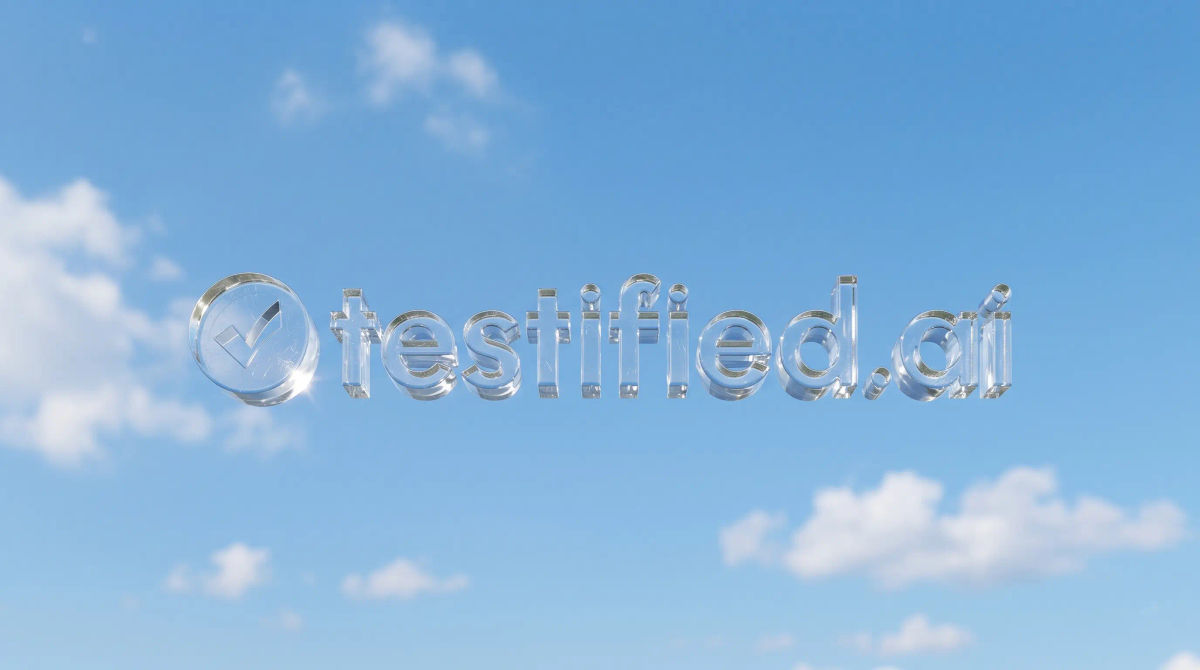
System Routines and Automated Audits
The practical AI prompt templates landscape is shifting toward autonomous execution. Claude Code Routines now allow users to replace complex automation software like Zapier by writing simple SOP-style prompts. A perfect example for email triage is writing a routine prompt such as: "Pull my Gmail unreads. For each one, check for prior conversations with that contact. Draft a reply. Send me the drafts in Slack."
Similarly, workspace organization can be fully automated using the Notion AI Business Workspace Auditor. By installing the template and executing the prompt "Audit this page," the preconfigured agent will scan your databases, flag inefficiencies, generate an issue report with severity ratings, and optionally apply the recommended fixes itself.
Context Window Management Strategies
Even the best prompts fail if the model's memory becomes polluted. Implementing strict context management is a vital skill. According to recent engineering analyses, users should adhere to the following rules when feeding data into their prompts:
Respect the Limit: Reaching approximately 60% of a model's stated context window is the practical limit for reliable recall. Do not blindly trust 1M token windows for precise needle-in-a-haystack tasks.
Clean the Context: Web searches executed by agents can pull in unverified "AI slop." Always use dedicated context-gathering sessions to parse data before feeding it into your final execution prompt.
Summarize Documents: If you have dozens of documents, create a single, clean summary file to serve as the prompt's knowledge base rather than uploading raw, messy files.
Micro-Workflows and Browser Skills
Finally, micro-prompting can save hours of repetitive work. The new Chrome Skills feature allows users to save targeted practical AI prompt templates as one-click macros. You can save prompts like "Summarize this page" or "Turn this into a LinkedIn post" and trigger them instantly while browsing via a simple keyboard slash command. For entertainment discovery, streaming platforms like Tubi now support natural language querying; try prompting their native integration with "find me a movie that feels like a fever dream but isn't horror" to bypass traditional rigid search algorithms.


